What Makes a Great Office Building Sign System?
Whether you’re constructing a new building, renovating an office, or rebranding an existing property, your signage plays an important role in how people experience your business.
For many organizations, the building is one of the first impressions people have of the business.
A well-designed office building sign system does more than display your company name. It helps people find your building, strengthens your brand, improves the visitor experience, and creates a professional first impression from the parking lot to the front door.
Why Your Building Is Part of Your Brand
Contents
- Why Your Building Is Part of Your Brand
- What Makes a Complete Office Building Sign System?
- 1. Building Identification
- 2. Exterior Branding & Architectural Graphics
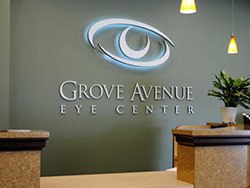
- 3. Interior Office Signs & Graphics
- 4. Wayfinding & Directional Signage
- 5. ADA Signage
- 6. Why Consistency Matters Most
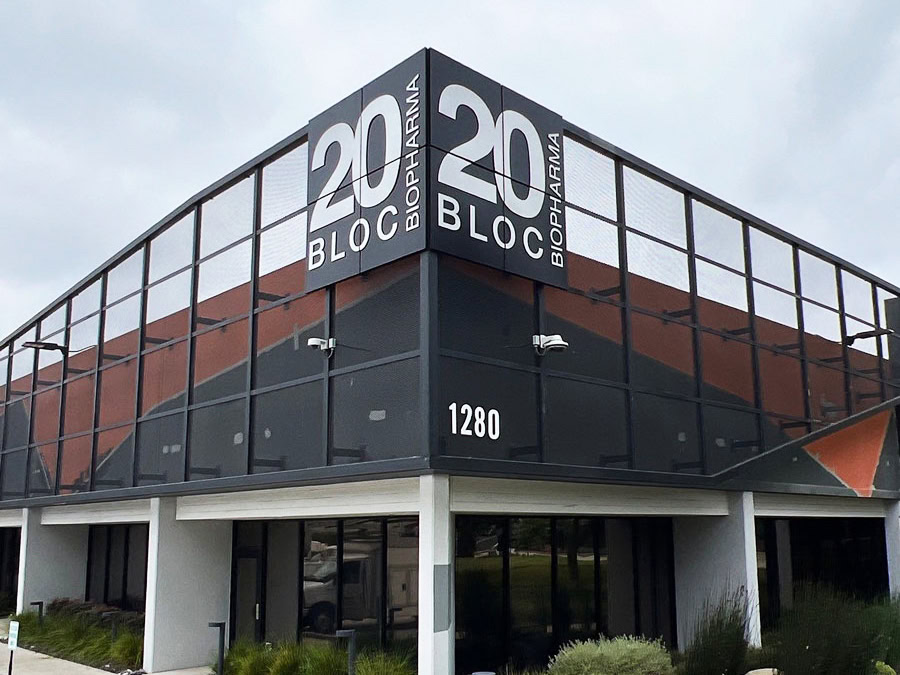
- Featured Project: 20 Bloc Biopharma | Thousand Oaks
- Planning an Office Renovation or Rebrand?
- Frequently Asked Questions About Office Building Sign Systems
Most businesses spend time developing their logo, website, and marketing materials, but overlook one of the first things people actually see — the building itself.
Your signage is often the first opportunity you have to communicate professionalism, quality, and attention to detail.
Before anyone reads a word on your website or hears a pitch from your sales team, they’ve already formed an impression based on how your building looks and how easy it is to navigate.
When every sign works together, your property feels intentional and well managed. When it doesn’t, even a great building can feel disjointed.
What Makes a Complete Office Building Sign System?
Most office buildings rely on more than one sign. They use several types of signage, each serving a different purpose while working together across the property.
Not every building needs every type of sign, but every building benefits from having a coordinated plan.
A complete office building sign system may include:
- Building identification
- Exterior branding and architectural graphics
- Interior office signs and graphics
- Wayfinding and directional signage
- ADA signage
- Monument and directory signs
Each piece plays a different role. Together, they shape how someone experiences your property from the moment they arrive.
The examples below show how these elements come together across different office buildings we’ve worked on.
1. Building Identification
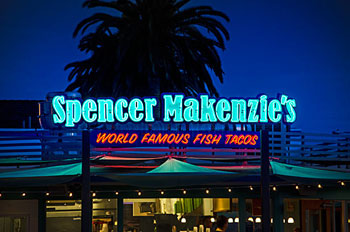
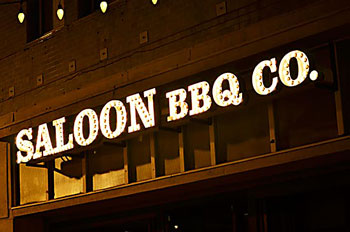
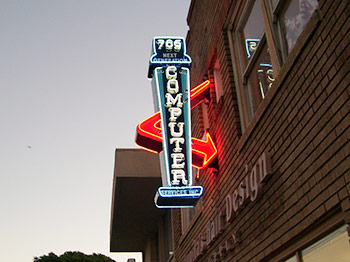
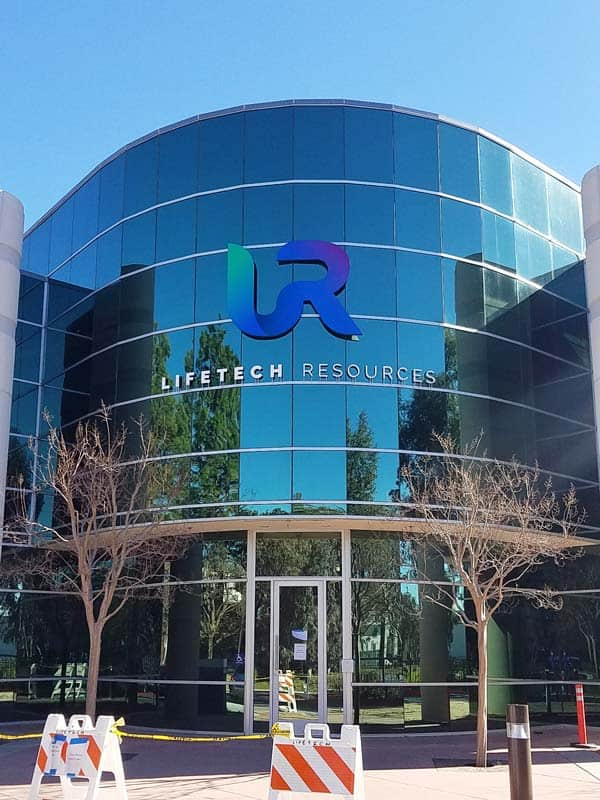
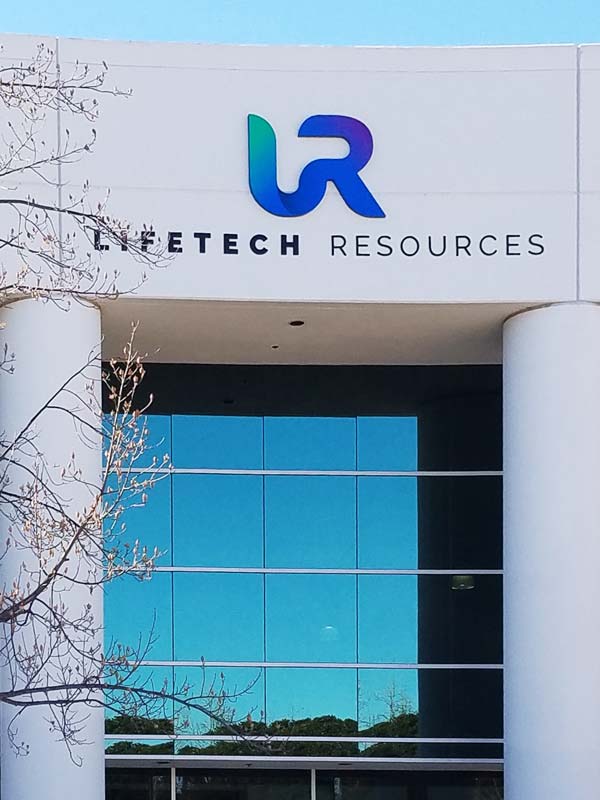
Building identification is often the first thing people notice, and its job is bigger than displaying a company name. It should make the building easy to recognize from multiple approaches while reinforcing your identity.
Depending on the property, this might include:
- Building-mounted signs
- Dimensional letters
- Individual letters
- Backlit logo signs
- Corner-mounted signs
- Building numbers
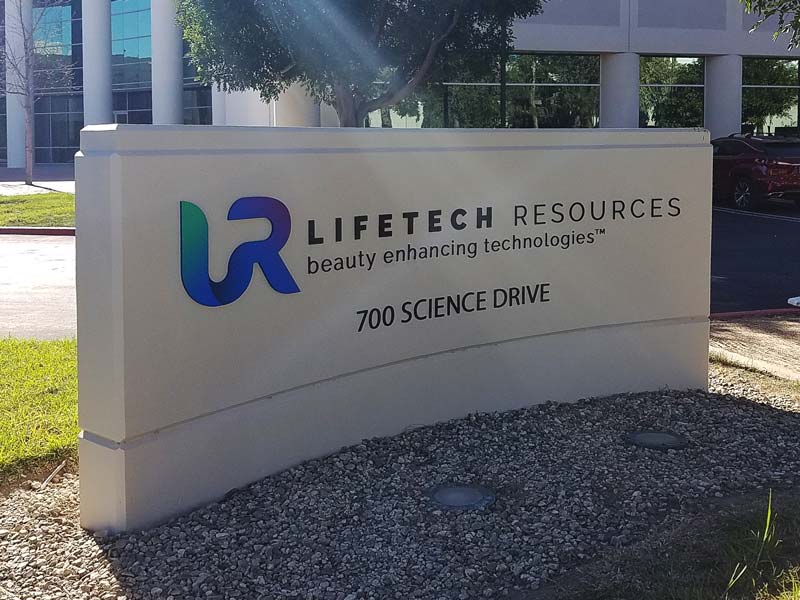
- Monument signs at the property entrance
The right solution depends on the building’s architecture, viewing distance, traffic patterns, and visibility from surrounding streets.
A sign that reads clearly at 20 feet in a parking lot may disappear entirely from 200 feet on a busy road.
2. Exterior Branding & Architectural Graphics
Sometimes the building itself becomes part of the sign.
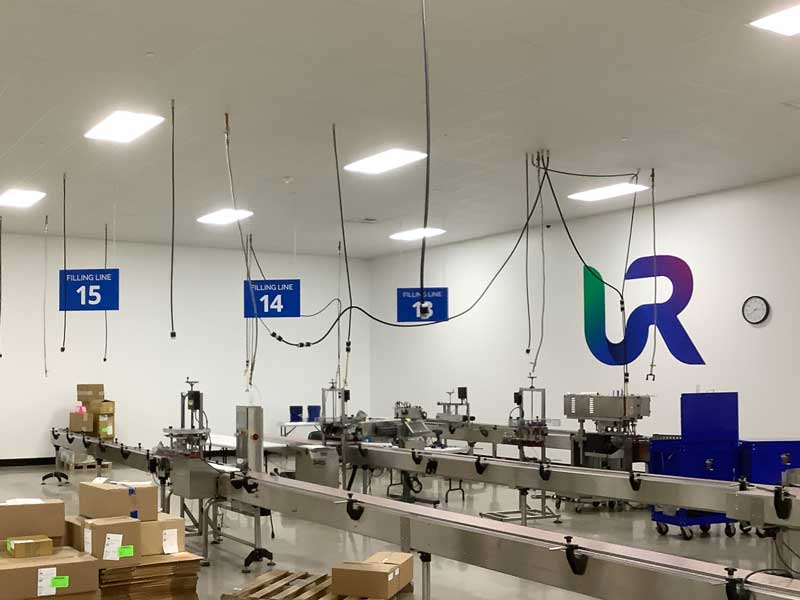
Large-scale architectural graphics can change how a property is perceived without altering the structure underneath it. On older buildings, they can give the exterior a more modern appearance without the cost of a full renovation. In multi-tenant properties, they help create a more unified look across the site. For new construction, they establish a recognizable identity from the very beginning.
When thoughtfully designed, architectural graphics don’t feel like something that was added later. They feel like they were always meant to be part of the building — and that’s what makes them so effective.
3. Interior Office Signs & Graphics
A visitor’s first impression doesn’t stop at the front door.
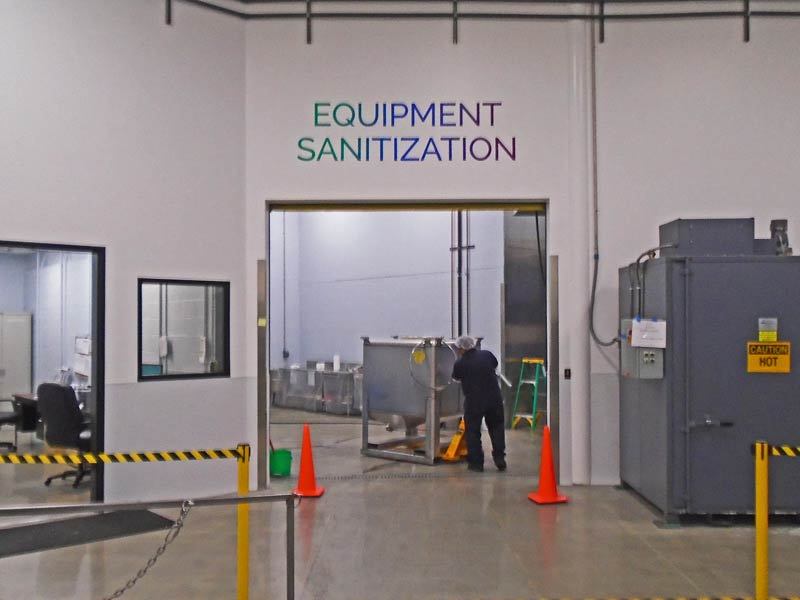
Interior office signs and graphics carry your brand through the workplace while solving practical problems for the people who work there every day.
Common applications include:
- Office door signs
- Conference room and meeting room privacy graphics
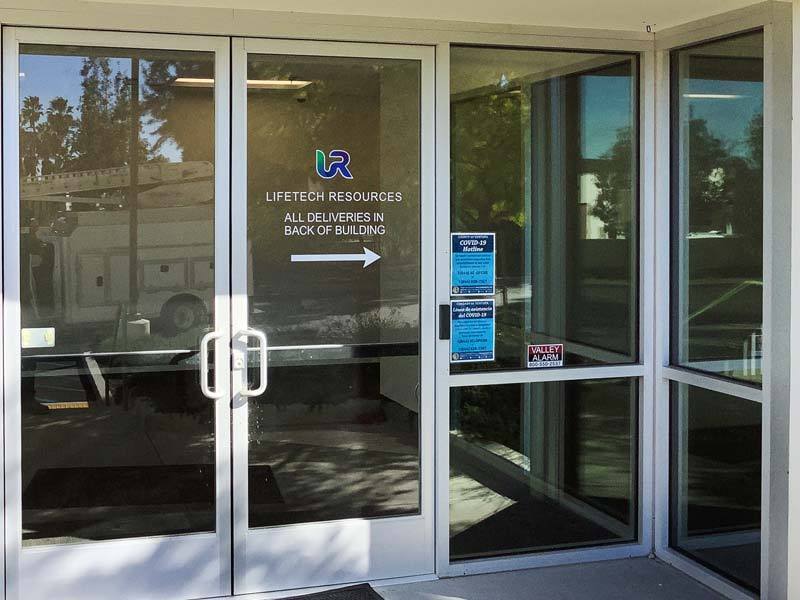
- Frosted, etched, or printed vinyl window graphics
- Office and suite identification
- Glass manifestation graphics (required in many buildings for safety)
- Interior branding, wall murals, and lobby graphics
These elements do more than one job. They provide privacy and functionality while keeping the space visually consistent with everything a visitor saw on their way in.
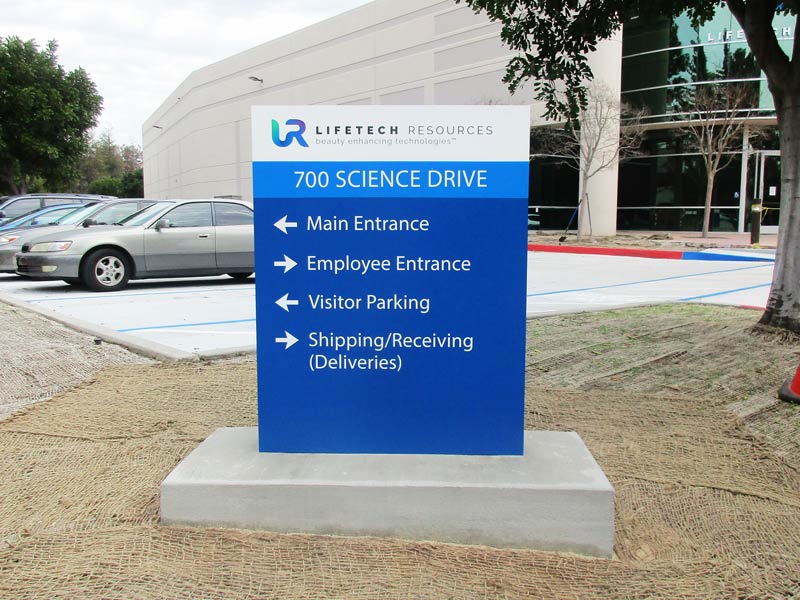
4. Wayfinding & Directional Signage
Visitors, employees, delivery drivers, and vendors shouldn’t have to guess where they’re supposed to go.
Thoughtful wayfinding signage might include:
- Building directories
- Tenant directory signs
- Suite numbers
- Directional signs
- Department identification
- Parking and entrance guidance
Every property has different navigation challenges. A single-tenant building with one clear entrance needs far less wayfinding than a multi-building campus with several access points.
The right amount of signage is the amount that removes hesitation — not the maximum amount possible.
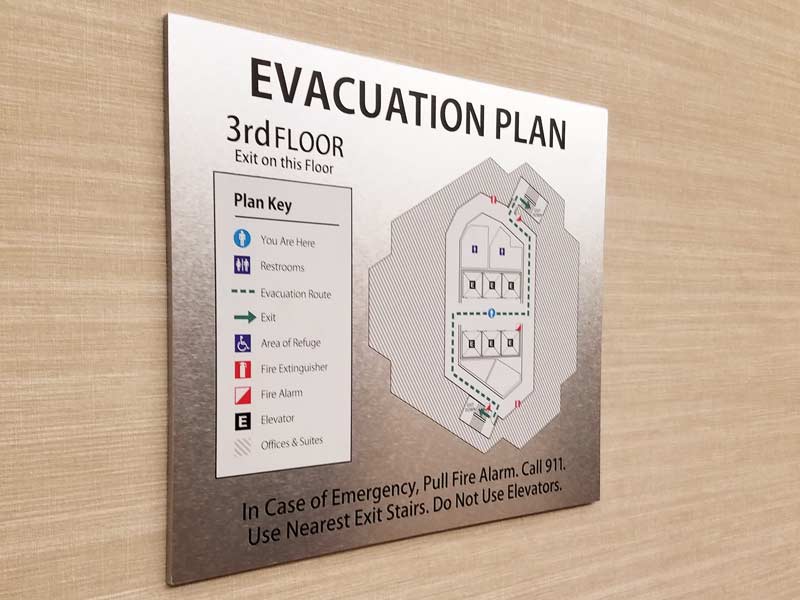
In larger office buildings and multi-tenant facilities, clear directional signage also helps people quickly locate entrances, exits, and shared spaces.
5. ADA Signage
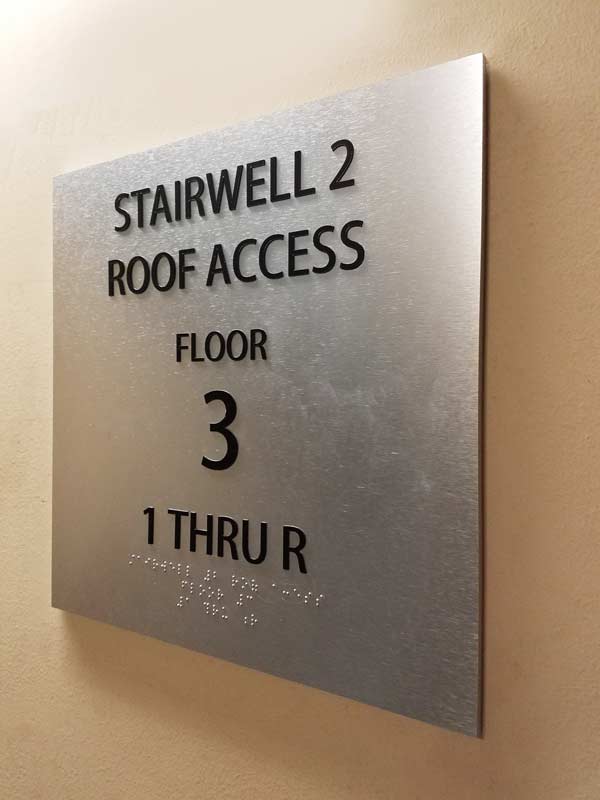
ADA-compliant signage isn’t optional, and it’s easy to treat as an afterthought — a box to check rather than part of the overall design.
Done well, ADA signage doesn’t have to feel like a compliance requirement bolted onto an otherwise polished building. Room identification, restroom signage, and directional signs can meet code requirements for tactile lettering,
Braille, mounting height, and accessibility — including appropriate contrast for people with low vision — while still matching the building’s materials, colors, and overall design language.
Planning for ADA signage from the beginning also helps avoid one of the most common problems — having to replace signage later because compliance wasn’t considered early in the project.
6. Why Consistency Matters Most
This might be the most important part of a sign system, and it’s also the easiest part to get wrong.
It usually happens gradually. The building sign gets designed on its own. The monument sign comes from a different phase of the project. The lobby graphics are added later without much reference to what came before. Each element may look good on its own, but the property as a whole starts to feel disconnected.
A coordinated sign system avoids this by treating every element as part of one plan.
Building Identification → Monument & Entrance Signage → Interior Branding & Lobby → Offices & Conference Rooms → Wayfinding & Directional Signage → ADA Signage
When everything works together, the property feels intentional, professional, and well maintained. Instead of looking like separate purchases made over time, everything feels like it belongs together.
Featured Project: 20 Bloc Biopharma | Thousand Oaks
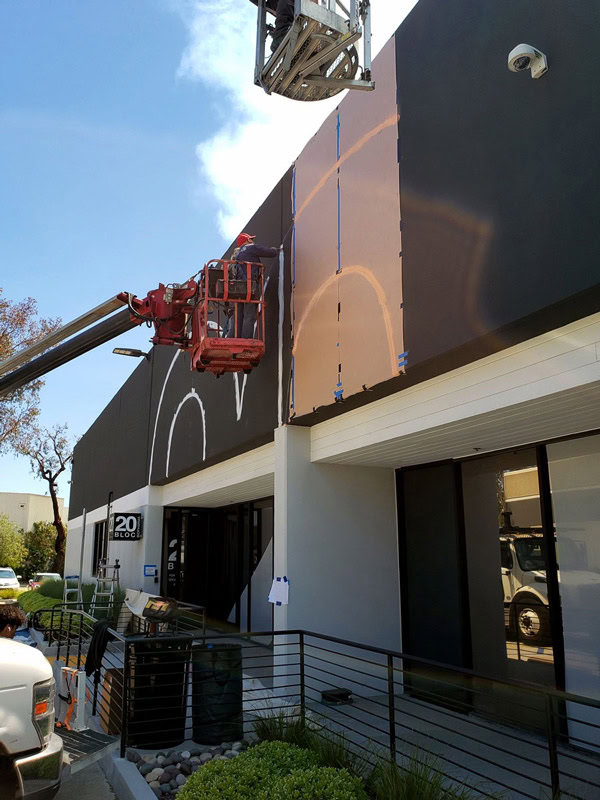
When 20 Bloc Biopharma updated its Thousand Oaks building, the goal centered on two things: making the building easy to recognize from the street and making sure the brand didn’t stop outside.
Not every office project includes every type of sign discussed above. The 20 Bloc Biopharma project is a good example of how a few carefully coordinated elements can create a cohesive experience.
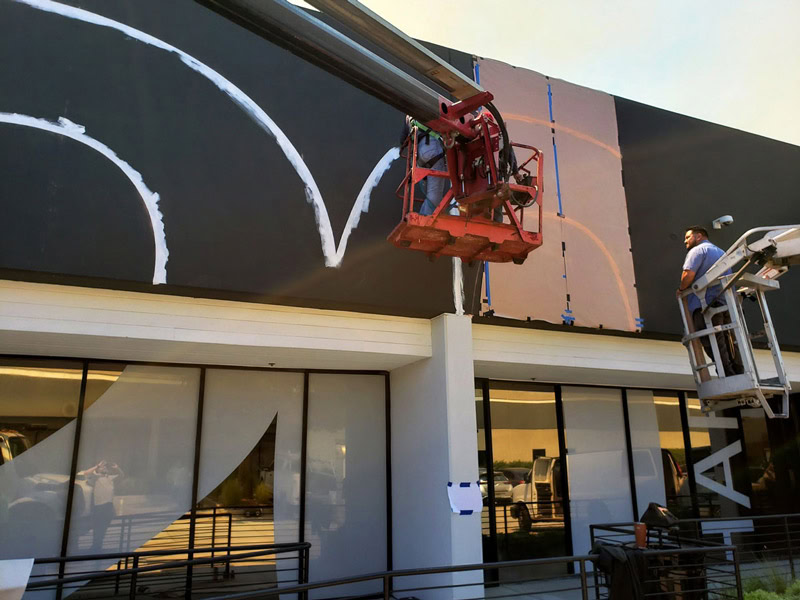
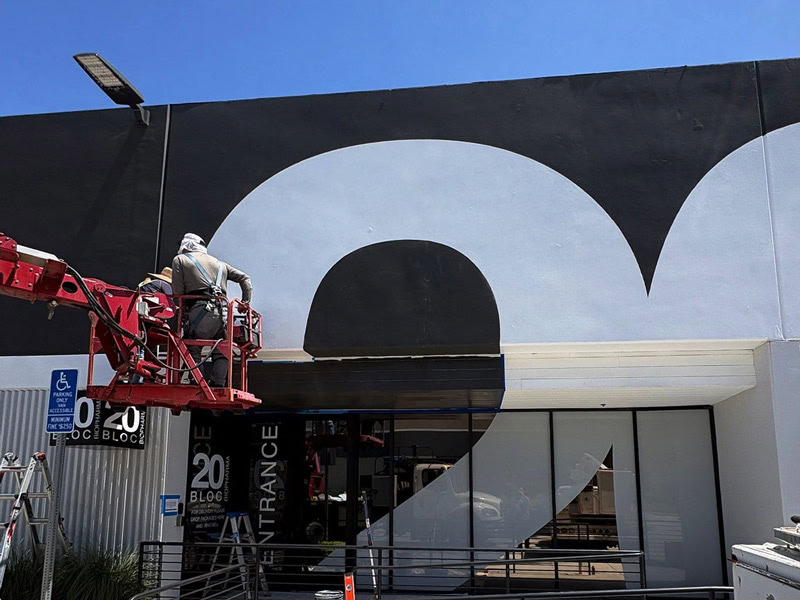
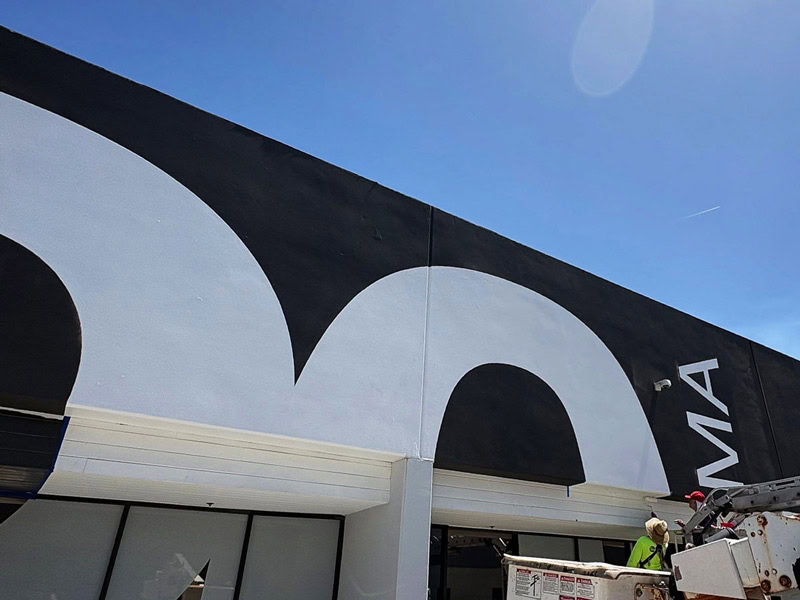
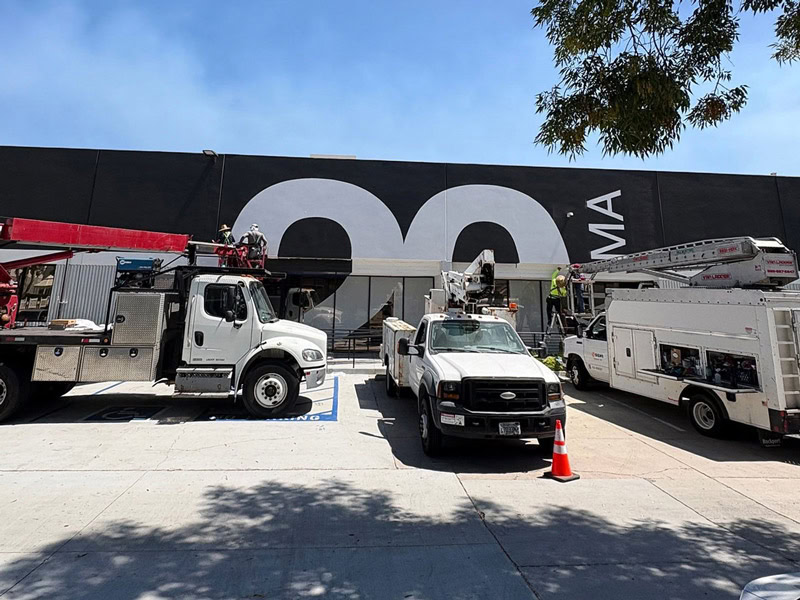
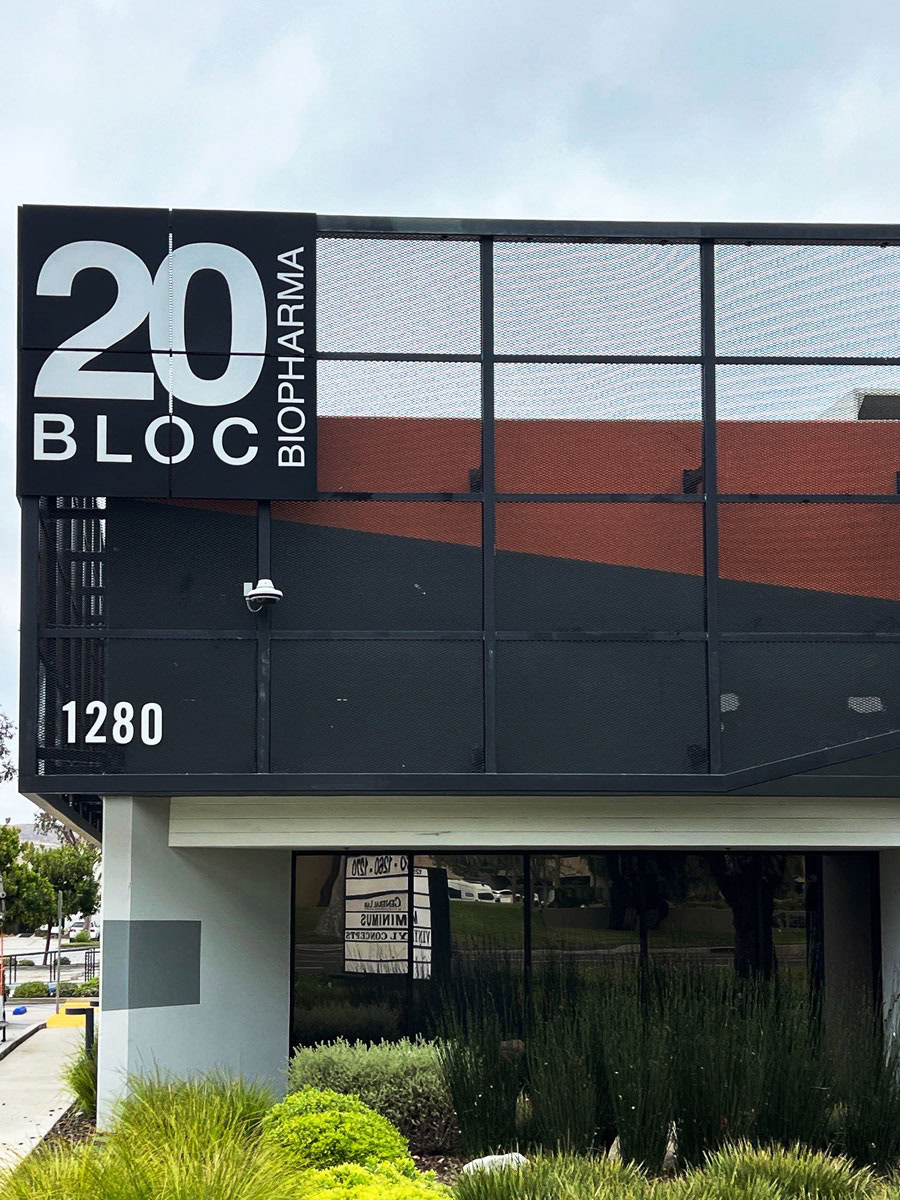
On the exterior, we installed large-scale building identification at the building’s corner — sized and positioned to be legible from multiple approaches — along with a hand-painted architectural graphic spanning the building’s façade.
Rather than applying a printed panel, the graphic was painted directly onto the building at full scale, requiring a coordinated installation crew working from lifts to execute it precisely.
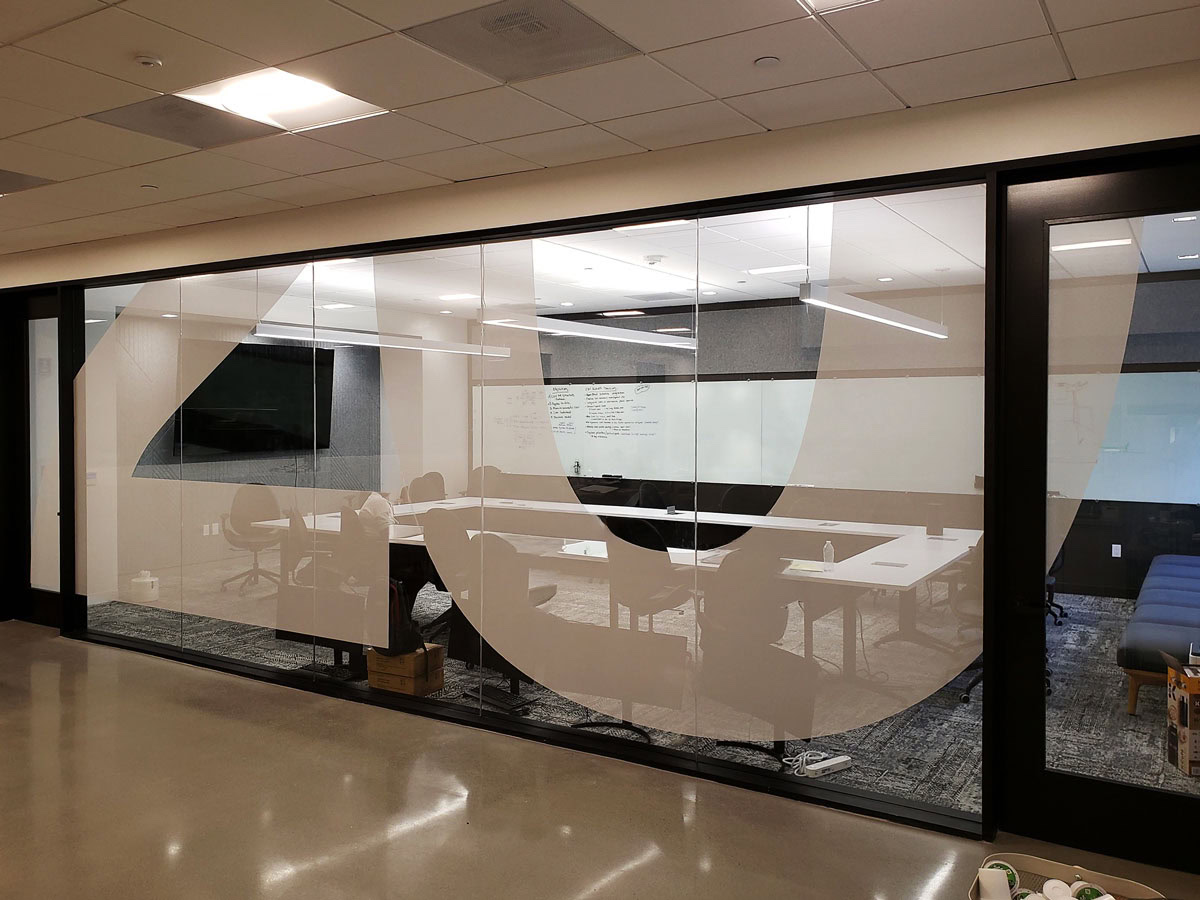
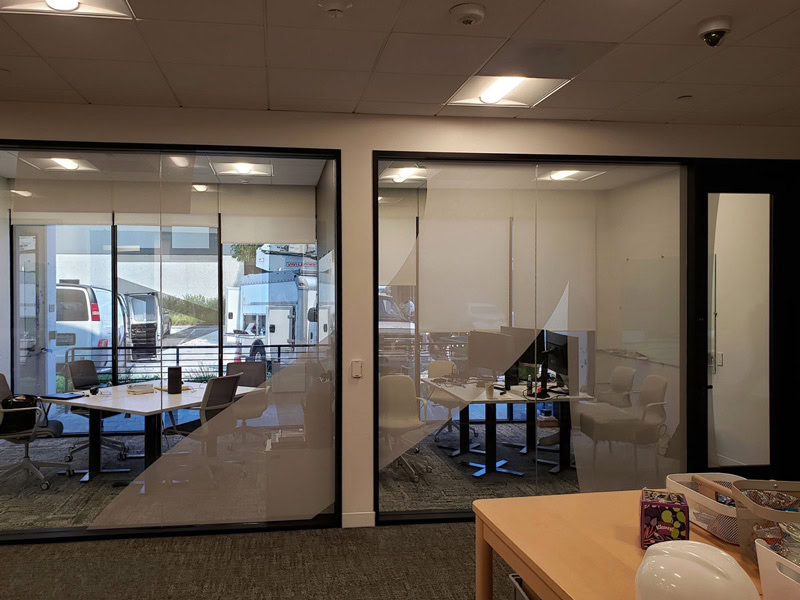
Inside, that same design language continues. Conference room windows feature custom frosted vinyl graphics cut in the same arch pattern as the exterior graphic, creating a visual connection between the outside of the building and the interior office space.
It’s a subtle detail, but that’s exactly what makes a coordinated office building sign system successful. Every element works together to create one consistent experience.
Planning an Office Renovation or Rebrand?
Every office building is different — different architecture, tenant requirements, branding standards, budgets, and timelines.
Some clients come to us with complete construction documents, architectural plans, and sign schedules already in hand. Others are just beginning to think through what their building needs.
Wherever you’re starting from, we’re glad to help you think it through.
From sign design and permitting to fabrication, sign installation, ongoing support, and navigating local building requirements, our goal is to help you create a sign system that reflects your business and performs well for years to come.
If you’d like to talk through your project, Give us a call at (805) 641-1387.
If you’d rather, you can also Request a Quote or Contact Us online — whatever works best for you.
Frequently Asked Questions About Office Building Sign Systems
What’s included in an office building sign system?
A typical office building sign system may include building identification, monument signs, architectural graphics, interior office signs, conference room graphics, wayfinding, directories, and ADA signage. Not every project includes all of these elements, but planning them together helps create a more consistent experience for employees, visitors, and tenants.
When should I start planning signage for a new office building?
The earlier, the better. Signage is easiest to coordinate during the design and construction process, before finishes are complete and permitting deadlines approach. Planning ahead also helps coordinate installation with other trades, avoid delays, and reduce unexpected costs later in the project.
Do office building signs require permits?
Some office building signs require permits, while others may not. Requirements vary depending on the sign type, location, size, and local regulations. We’ll help you understand what’s required before your project begins and can coordinate the permitting process when it’s needed.
How long does an office building sign project take?
Every project is different. A simple building sign may move much faster than a complete sign system that includes design, permitting, fabrication, and installation. Once we understand your project, we’ll provide a realistic timeline and keep you informed throughout the process.
Do you install ship-in signs?
Yes. We regularly install ship-in signs manufactured by sign companies throughout the United States. If you need an experienced installation partner in Ventura, Santa Barbara, or Los Angeles Counties, we’re happy to help.